




Online Grief Counseling in India

You don’t have to handle the loss alone! We’re here to support, comfort, and help you heal.

Let’s deal with this difficult phase together!

Take the First Step

Towards Healing!

Lost a

loved one?

Losing a loved one is a painful experience, and it’s completely normal to feel overwhelmed
and lost. We want you to know that you’re not alone, and we are here to support you.

Is there anything specific you'd like to talk about?
What Is

Grief ?

“Grief I’ve learnt is really just love. It’s all the love you want to give, but cannot. All of that unspent love gathers in the corner of your eyes, the lump in your throat, and in the hollow parts of your chest. Grief is just love with no place to go.”
grief02 (1)
There's no "RIGHT" way to grieve!

Everyone's journey is unique!

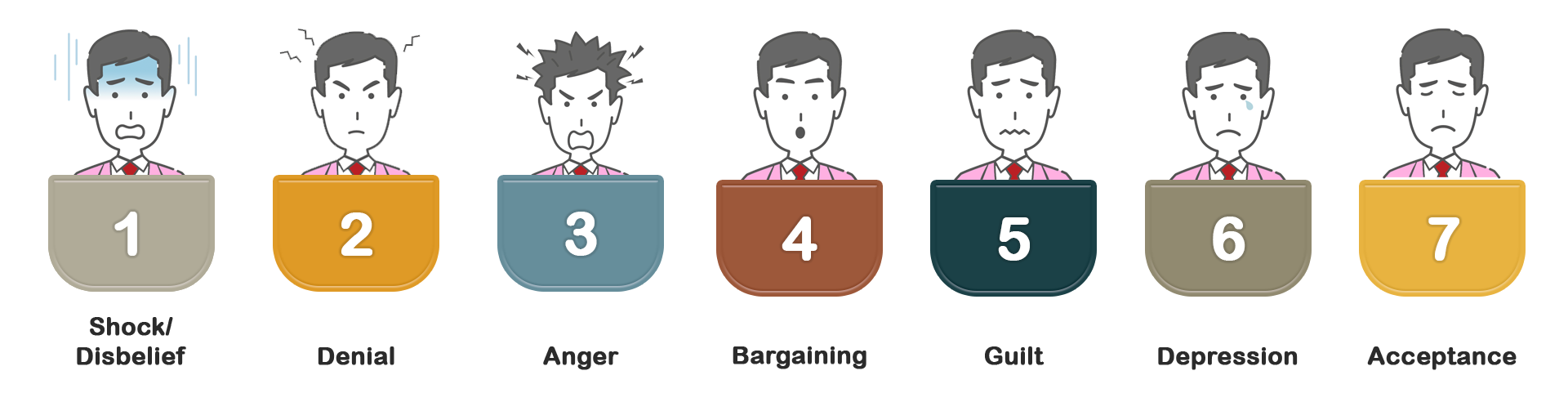
Shock / Disbelief

Denial

Anger

Bargaining

Guilt

Depression

Acceptance

While not everyone linearly experiences grief,

the following stages are often described:

This stage may involve disbelief or avoidance of the loss.

Feelings of anger, resentment, or frustration can arise as a response to the loss.

This stage might involve attempting to negotiate with a higher power or oneself to change the situation.

Sadness, despair, and a sense of hopelessness can be overwhelming during this stage.

Over time, accepting the loss may lead to a sense of peace and closure. Don't wait to seek the support

What Is

Grief ?

“Grief I’ve learnt is really just love. It’s all the love you want to give, but cannot.

All of that unspent love gathers in the corner of your eyes, the lump in your throat, and in the hollow parts of your chest.

Grief is just love with no place to go.”

There's no "RIGHT" way to grieve!

Everyone's journey is unique!

While not everyone linearly experiences grief, the following stages are often described:

Denial: This stage may involve disbelief or avoidance of the loss.

Anger: Feelings of anger, resentment, or frustration can arise as a response to the loss.

Bargaining: This stage might involve attempting to negotiate with a higher power or oneself to change the situation.

Depression: Sadness, despair, and a sense of hopelessness can be overwhelming during this stage.

Acceptance: Over time, accepting the loss may lead to a sense of peace and closure.

Don't wait to seek the support
you deserve!

FAQs

Who is Grief Counseling for?
Grief Counseling is for anyone who is experiencing grief or loss. This can include people who have lost a loved one to death, as well as those who are dealing with other significant losses, such as:
● Job loss
● Divorce
● Health problems
● Moving away from a familiar place
● The end of a relationship
Grief can be a complex and overwhelming emotion, and it's important to know that you don't have to go through it alone. A Grief Counselor can provide support, guidance, and tools to help you cope with your loss and find healing.
What support is available to someone who is grieving?
The best way to overcome the loss of a loved one is by talking to a Psychologist online. Through therapy, you can process your emotions and develop the necessary coping skills to navigate the challenges of the loss.
How to recover from grief?
Online Counseling offers a convenient and accessible way to receive professional support for grief. Your therapist will help you identify and develop effective coping strategies, such as mindfulness, journaling, and connecting with others.
Can I book a grief counseling session on behalf of my relative?
Yes, you can absolutely book a grief counseling session on behalf of your relative. This can be a helpful way to support them during a difficult time. When scheduling the session, you'll likely be asked to provide some basic information about your relative, such as their name, contact information, and the nature of their loss. You may also be asked if they have any specific preferences or concerns. Once the session is scheduled, you can encourage your relatives to attend and let them know that you're there to support them throughout the process.
When should I seek help for grief?
It's never too early or too late to seek help for grief. If you're struggling to cope with a loss, it's important to reach out for support. Here are some signs that you may benefit from online grief counseling:
● Persistent sadness or depression: If you're experiencing ongoing feelings of sadness, emptiness, or hopelessness, it may be helpful to talk to a therapist.
● Difficulty functioning: If you're having trouble with daily tasks, such as work, school, or relationships, grief may be interfering with your ability to function.
● Thoughts of self-harm: If you're experiencing thoughts of suicide or self-harm, it's crucial to seek immediate help.
● Excessive guilt or anger: If you're feeling overwhelmed by guilt or anger, these emotions can be a sign that you need support.
● Isolation: If you're withdrawing from social activities or isolating yourself from others, grief may be contributing to your feelings of loneliness. Remember, there's no shame in seeking help. Grief Counseling can provide a safe and supportive space to process your emotions and find healing.
How long does grief counseling take?
The length of grief counseling varies depending on individual needs and the complexity of the loss. Some people may benefit from a few sessions, while others may require longer-term therapy.
Still Confused?

Take This Test

Deciding if you need Therapy can be a big decision …
Just take this quick test to find  out if Counseling will be  beneficial for you.